Padel Court Drainage Systems
Expert drainage solutions for padel courts in Dallas, TX. Custom-engineered water management systems that protect court integrity during Texas storms and prevent moisture damage.
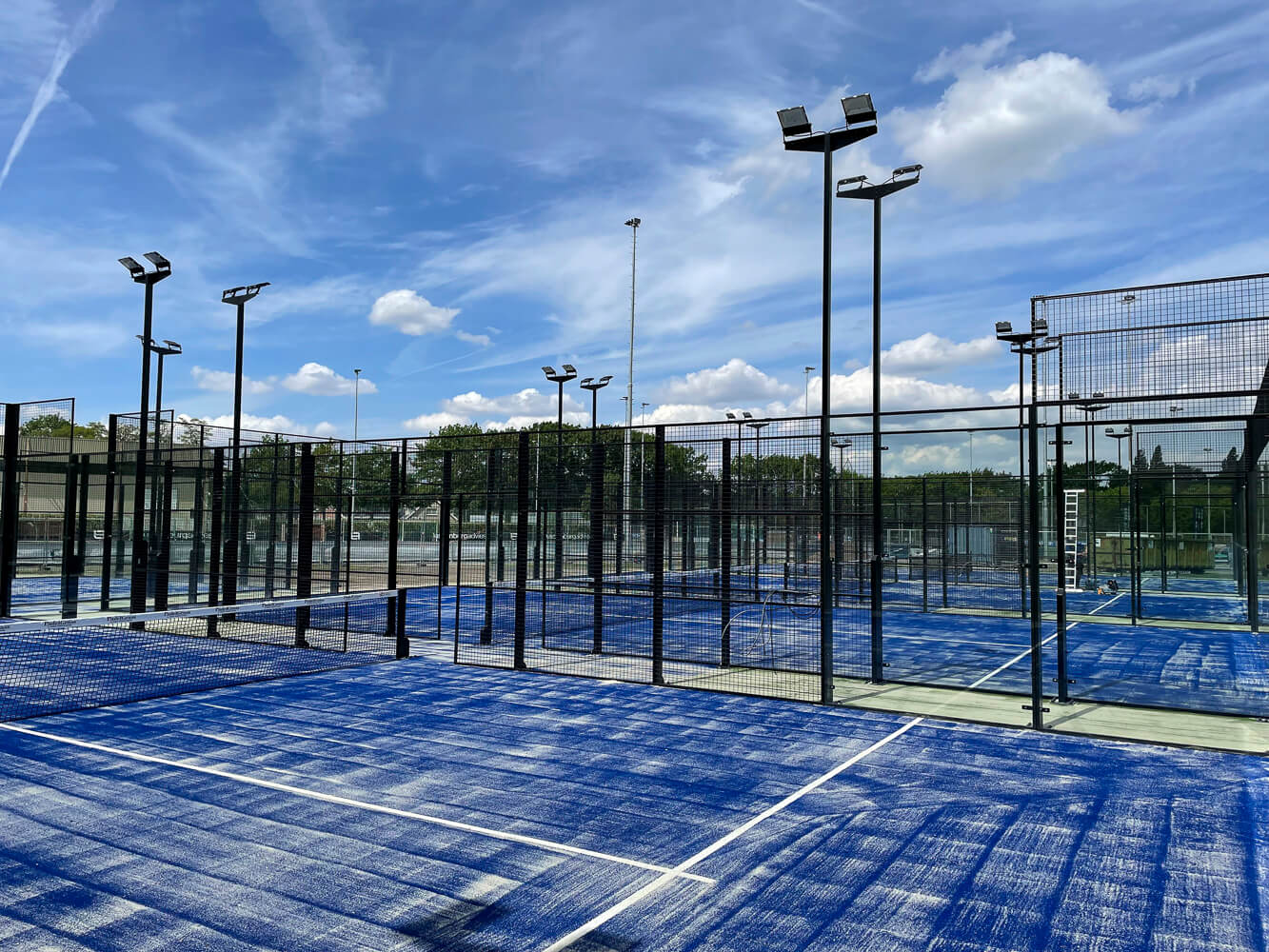
About This Service
Padel Court Builders of Dallas designs and installs comprehensive drainage systems essential for protecting padel court investments in North Texas. Dallas's climate features intense thunderstorms, flash flooding potential, and clay-heavy soils that challenge court drainage. Our drainage solutions prevent water accumulation that causes surface damage, foundation instability, and extended court downtime following rain events.
Our drainage designs integrate surface and subsurface water management systems tailored to each site's topography and soil conditions. Surface drainage incorporates subtle court grading that directs water toward collection areas without affecting playability. Perimeter trench drains capture runoff from the court surface and surrounding areas, while French drain systems address subsurface water movement through Dallas's clay soils. We design systems capable of handling the high-volume rainfall events common during Texas spring and fall storm seasons.
Installation includes professional-grade drainage materials including HDPE pipe systems, high-capacity catch basins, and permeable aggregate backfills that maintain flow capacity over time. We coordinate drainage outlet connections with existing site stormwater management or create standalone discharge solutions. Our systems are engineered for low maintenance requirements while providing reliable performance through Dallas's weather extremes including drought conditions, flash floods, and freeze-thaw cycles.
Features
Our padel court drainage systems includes the following features:
- Custom drainage design based on site topography and Dallas soil conditions
- Surface grading optimization for water runoff without play interference
- High-capacity trench drain systems for perimeter water collection
- Subsurface French drains addressing clay soil water retention
- Professional-grade HDPE piping resistant to root intrusion and soil pressure
- Integrated catch basins and cleanout access for maintenance
- Storm-rated capacity for Texas thunderstorm rainfall intensity
Ready to Get Started?
Contact us today to discuss your project and receive a customized quote.
Request a QuoteOur Process
Site Hydrology Assessment
Comprehensive analysis of site drainage patterns, soil composition, water table levels, and rainfall runoff characteristics to develop effective drainage strategy.
Drainage System Design
Engineering of integrated surface and subsurface drainage components including flow calculations, pipe sizing, and optimal placement for maximum water removal efficiency.
Excavation & Bedding Installation
Precision excavation for drain trenches followed by installation of proper bedding materials including gravel base layers and geotextile filtration fabric.
Pipe & Collection Component Installation
Professional placement of HDPE drainage pipes, catch basins, and collection points with proper slope, connections, and secure anchoring.
Backfill & Surface Restoration
Installation of permeable backfill materials, surface grading completion, and integration with court construction or surrounding landscape areas.
Frequently Asked Questions
Why is drainage particularly important for Dallas padel courts?
Dallas's clay-heavy soils retain water, and intense thunderstorms can deposit significant rainfall quickly. Without proper drainage, water accumulates beneath and around courts causing foundation heaving, surface cracking, and extended drying times. Our systems address both rapid water removal and clay soil moisture management unique to North Texas.
Can drainage be added to existing courts with water problems?
Yes, we retrofit drainage systems to existing courts experiencing water issues. Solutions range from perimeter trench drains and surface regrading to more extensive subsurface drainage installation depending on the court's condition and specific water problems. We assess each situation to recommend the most effective and cost-efficient approach.
How quickly should a properly drained court dry after rain?
With effective drainage design, padel courts should be playable within 30-60 minutes after rain stops, depending on intensity and duration. Surface materials also affect drying time, with porous acrylic coatings and properly designed synthetic turf systems facilitating faster water evaporation and subsurface drainage.
What maintenance do drainage systems require?
Annual inspection and cleaning of catch basins and drain outlets prevents debris accumulation that could restrict flow. After severe storms, checking drain inlets for blockage ensures continued performance. Most systems require minimal maintenance when properly designed with adequate cleanout access and filtration components.